
Answers
For A Gardeners Guide to Identifying Common Yard Snakes This Spring, prepare safe-distance photos, head/body pattern, location, and habitat context. Keep a clear decision boundary before acting on the result.
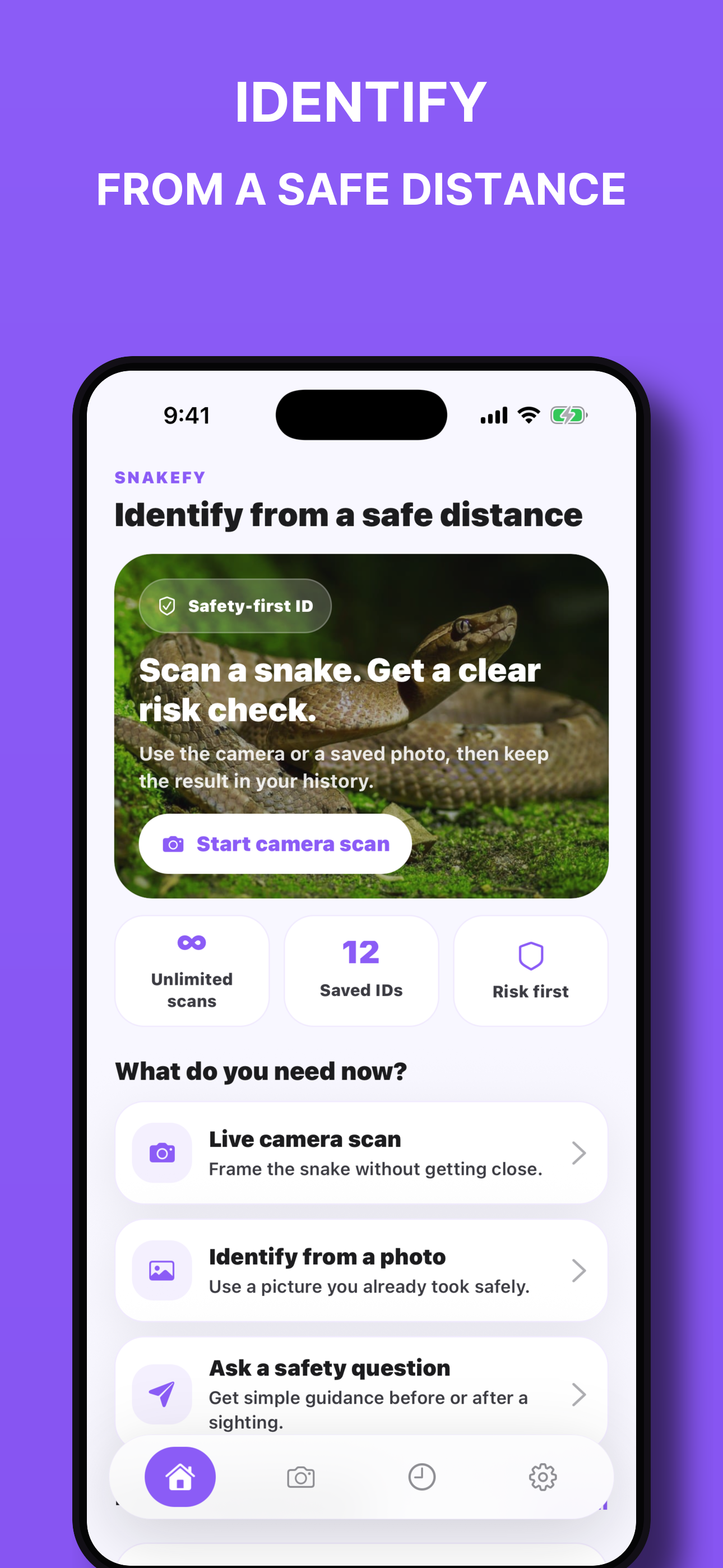
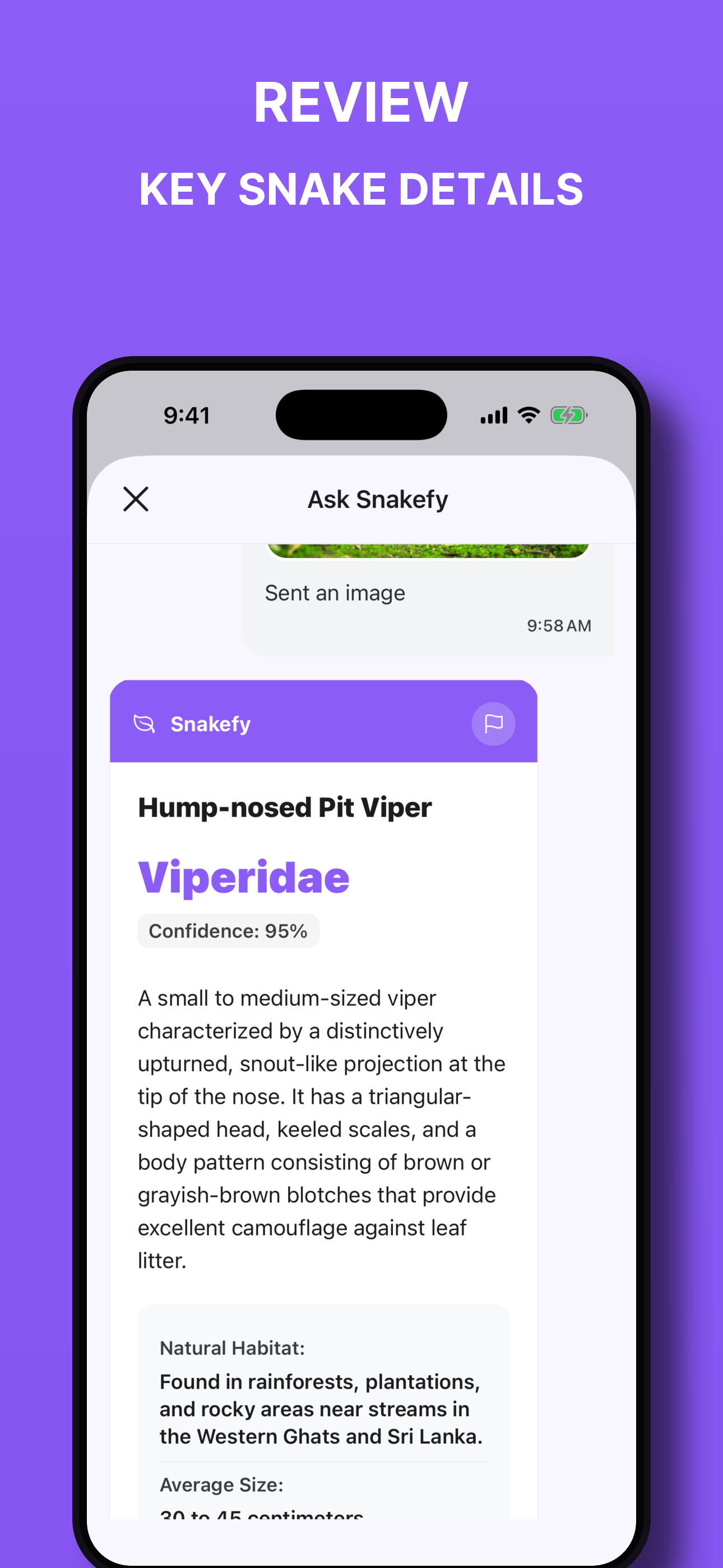
Snakefy can support this workflow: identify a snake from a photo. Review the result against pattern, body shape, head shape, region, habitat, and behavior.
Key takeaways
- Head shape isn't a foolproof indicator of whether a snake is venomous.
- Most backyard snakes are beneficial to your garden's health and ecosystem.
- Maintain a distance of at least six feet when attempting to photograph a snake.
- Habitat modification is more effective than repellents for keeping snakes away.
The Spring Stir: Why Snakes Love Your Garden
As the ground warms and you head out to prune the hydrangeas or lay fresh mulch, you are likely to encounter a snake waking up from its winter brumation. Gardens provide the perfect ecosystem for snakes because they offer moisture, cover from predators, and a steady supply of insects or rodents. While the sudden movement in the grass can be startling, it is important to remember that most yard snakes are non-venomous and actually provide free pest control for your plants.
Understanding why they are there is the first step in moving from a place of fear to one of informed caution.
In practice, that means slowing down long enough to give Snakefy the context a human would ask for: what you are trying to decide, what details are visible, and what kind of next step would be useful.
Visual Markers vs Dangerous Myths
Many of us grew up hearing simple rhymes about snake patterns or being told that all snakes with triangular heads are venomous, but these shortcuts can be dangerously misleading. For instance, many harmless species like the North American Rat Snake will flatten their heads when threatened to mimic a venomous look, and several venomous species have slender profiles. Instead of relying on old wives' tales, focus on specific regional markers such as the presence of heat-sensing pits or the shape of the pupil, though these require being closer than is often safe.
A better approach for the average gardener is to observe the overall color pattern and behavior from a distance of at least six feet.
A useful session should reduce uncertainty, preserve the evidence behind the result, and make the next action easier to choose. More screens do not help when the underlying context is incomplete.
Practical Steps for Safe Identification
When you spot a snake, the most important rule is to stop moving immediately; snakes generally react to movement rather than static objects. If you need to identify the species for peace of mind or safety, use your phone to take a clear photo from a distance using the zoom feature rather than leaning in close. This photo can then be compared against local wildlife guides or processed through specialized tools.
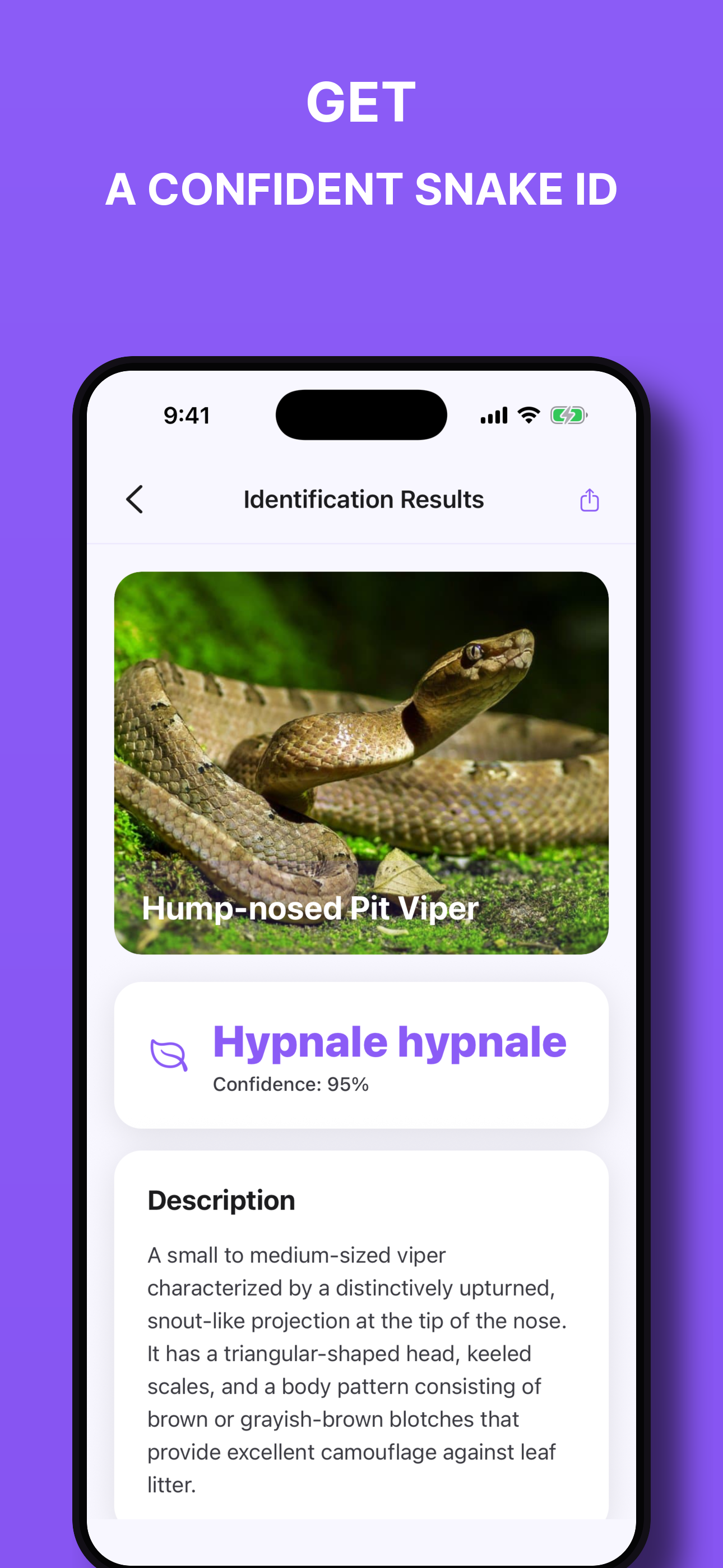
For those who want a quick second opinion, using an AI-powered identification tool like Snakefy can help narrow down the species based on your photo, allowing you to understand if the visitor is a helpful Garter snake or something that requires professional removal.
Snakefy helps users identify a snake from a photo, but the result should still be checked against the user's own context and any professional boundary that applies.
Creating a Coexistence Strategy
If you find that your yard is a magnet for snakes and you would prefer they move along, focus on habitat modification rather than harmful chemicals or traps which rarely work. Keep your grass mowed short to eliminate hiding spots and remove piles of wood, rocks, or debris where snakes like to cool off during the heat of the day. If you identify a snake as a venomous species, don't attempt to move it yourself; instead, keep pets and children away and contact a local relocation expert.
Most snakes will move on within twenty-four hours if they feel exposed or if their food source is reduced.
The best repeat users build a small history. Saved sessions, notes, screenshots, or previous results make future decisions faster because the app has a clearer personal reference point.
When to Call the Professionals
Distinguishing between a juvenile Racer and a Copperhead can be difficult even for experienced outdoorsmen because young snakes often have patterns that fade as they age. If you are ever in doubt and the snake is in a high-traffic area like a porch or a play set, treat the animal as if it were venomous and maintain a wide berth. Professional wildlife removal services have the proper tongs and bagging equipment to move the animal without harming it or risking a bite.
Remember that most bites occur when people try to kill or capture the snake, so the safest path is always observation followed by a respectful retreat.
In practice, that means slowing down long enough to give Snakefy the context a human would ask for: what you are trying to decide, what details are visible, and what kind of next step would be useful.
Download Snakefy
To help you identify snakes in your area and learn more about wildlife, download Snakefy on the App Store or Google Play.
A useful session should reduce uncertainty, preserve the evidence behind the result, and make the next action easier to choose. More screens do not help when the underlying context is incomplete.
Product moments: Snakefy
Snakefy supports this workflow: identify a snake from a photo. It is designed around safe-distance photos, head/body pattern, location, and habitat context, and its output should be reviewed against pattern, body shape, head shape, region, habitat, and behavior.
Continue in Snakefy when you have safe-distance photos, head/body pattern, location, and habitat context ready and want to save the result.
Before you download.
What is the practical takeaway from A Gardeners Guide to Identifying Common Yard Snakes This Spring?
For A Gardeners Guide to Identifying Common Yard Snakes This Spring, prepare safe-distance photos, head/body pattern, location, and habitat context. Keep a clear decision boundary before acting on the result.
Which inputs make this article more useful?
Prepare safe-distance photos, head/body pattern, location, and habitat context. Specific context makes the result easier to inspect and compare.
When does this workflow need outside confirmation?
Never handle a snake based on an app result; contact local experts for danger concerns. Seek the appropriate qualified source when the decision affects health, safety, money, or legal rights.
Practical checklist
Trust note
AI identification is a powerful tool for learning, but it should never replace professional medical advice or expert handling in an emergency. If bitten, seek immediate medical attention regardless of an app's result.