
Answers
For Essential Snake Safety Strategies for Hikers and Campers During Peak Trail Season, prepare safe-distance photos, head/body pattern, location, and habitat context. Keep a clear decision boundary before acting on the result.
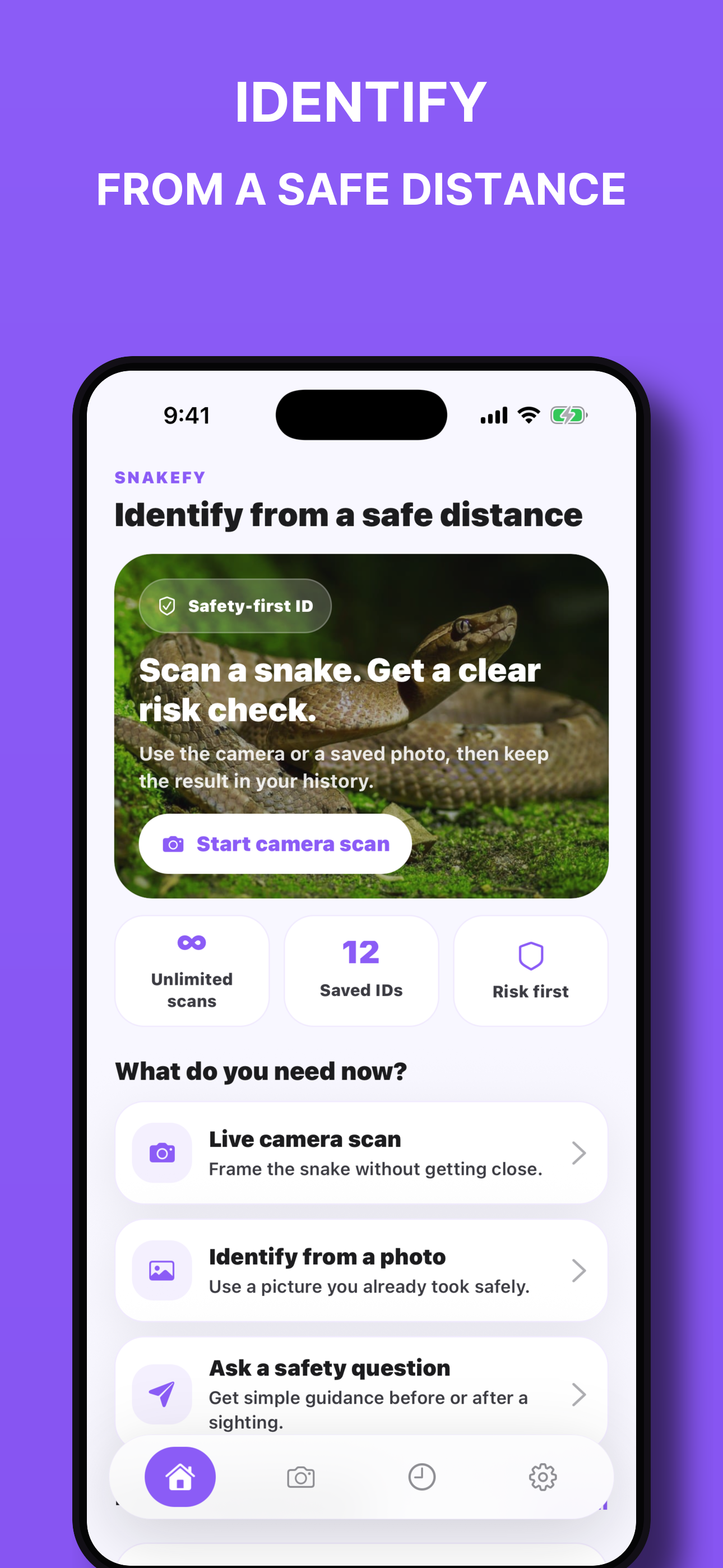
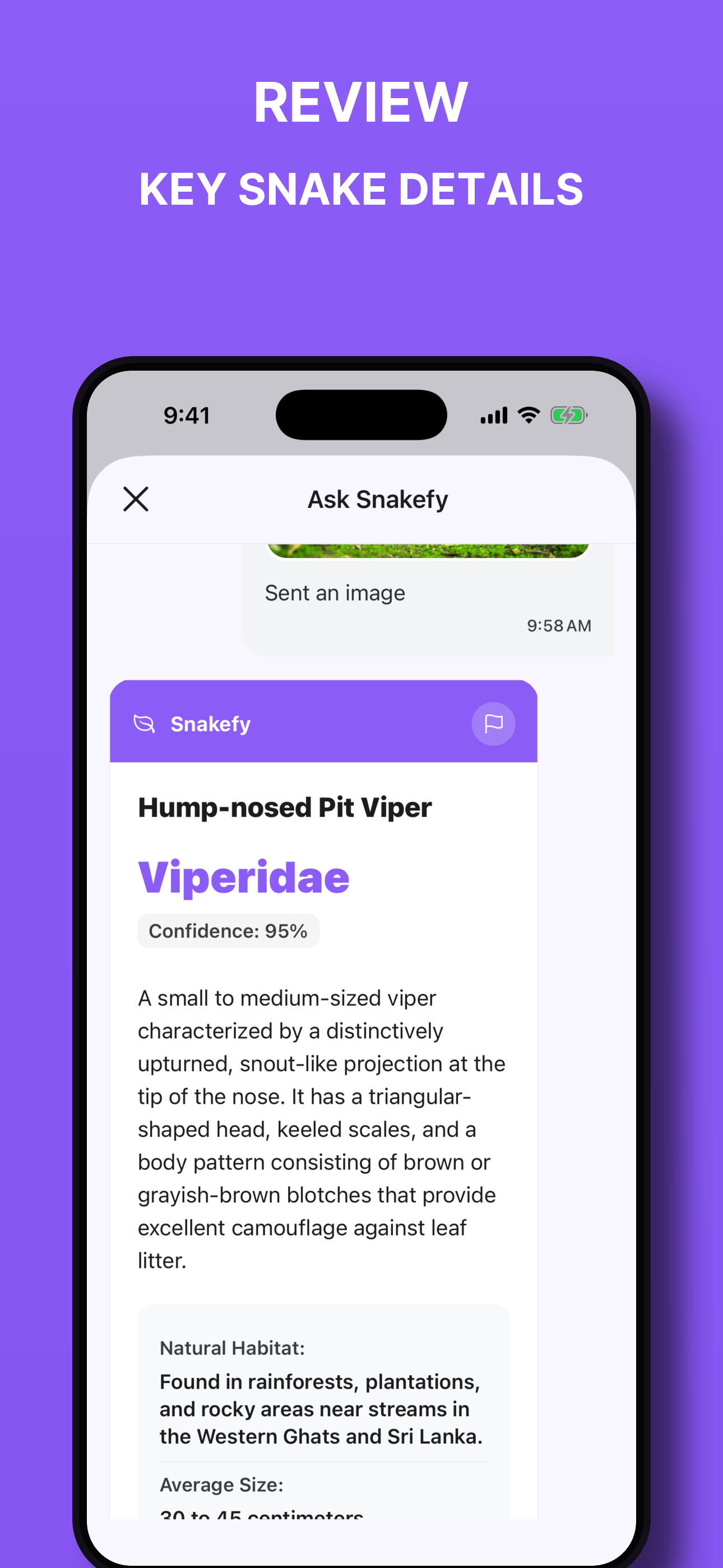
Snakefy can support this workflow: identify a snake from a photo. Review the result against pattern, body shape, head shape, region, habitat, and behavior.
Key takeaways
- Stay on marked trails and avoid stepping blindly over logs or rocks.
- Maintain a safe distance of at least six feet from any snake encountered.
- Never use outdated first aid like suction or tourniquets for snakebites.
- Use tools like Snakefy for identification only from a safe distance.
Understanding the Presence of Snakes on the Trail
As temperatures rise and trail season reaches its peak, the likelihood of encountering a snake increases significantly. For many hikers, the sight of a serpent across the path triggers an immediate sense of dread, but understanding their behavior is the first step toward safety. Snakes are ectothermic creatures that rely on the sun to regulate their body temperature, which is why you often find them basking on open rocks or sandy patches during the morning hours.
They are not naturally aggressive toward humans and generally prefer to avoid conflict entirely, using camouflage as their primary defense. Recognizing that a snake is likely more afraid of you than you are of it helps shift the perspective from fear to respect, allowing for a more composed and safer outdoor experience.
In practice, that means slowing down long enough to give Snakefy the context a human would ask for: what you are trying to decide, what details are visible, and what kind of next step would be useful.
Preventative Measures and Proper Trail Etiquette
Prevention is your most effective tool when navigating snake territory. Most bites occur when a person inadvertently steps on or reaches near a snake they did not see. To mitigate this risk, always stay on well-maintained trails and avoid walking through tall grass or dense underbrush where visibility is limited.
When you must navigate rocky terrain or fallen logs, step onto the object rather than over it, as a snake may be resting on the other side. Proper footwear is also non-negotiable; sturdy leather boots and long pants provide a physical barrier that can significantly reduce the severity of a strike. If you are hiking in high-risk areas, using trekking poles can help clear the path ahead and alert snakes to your presence through ground vibrations, giving them time to retreat before you arrive.
A useful session should reduce uncertainty, preserve the evidence behind the result, and make the next action easier to choose. More screens do not help when the underlying context is incomplete.
The Nuance of Snake Identification and Behavior
Misidentification is a common source of unnecessary panic in the backcountry. Many harmless species, such as the North American Rat Snake or the Gopher Snake, have evolved to mimic the behaviors of venomous species like Rattlesnakes by vibrating their tails or flattening their heads. While many hikers rely on old myths like pupil shape or head geometry, these can be difficult to observe from a safe distance and are not always reliable indicators across all regions.
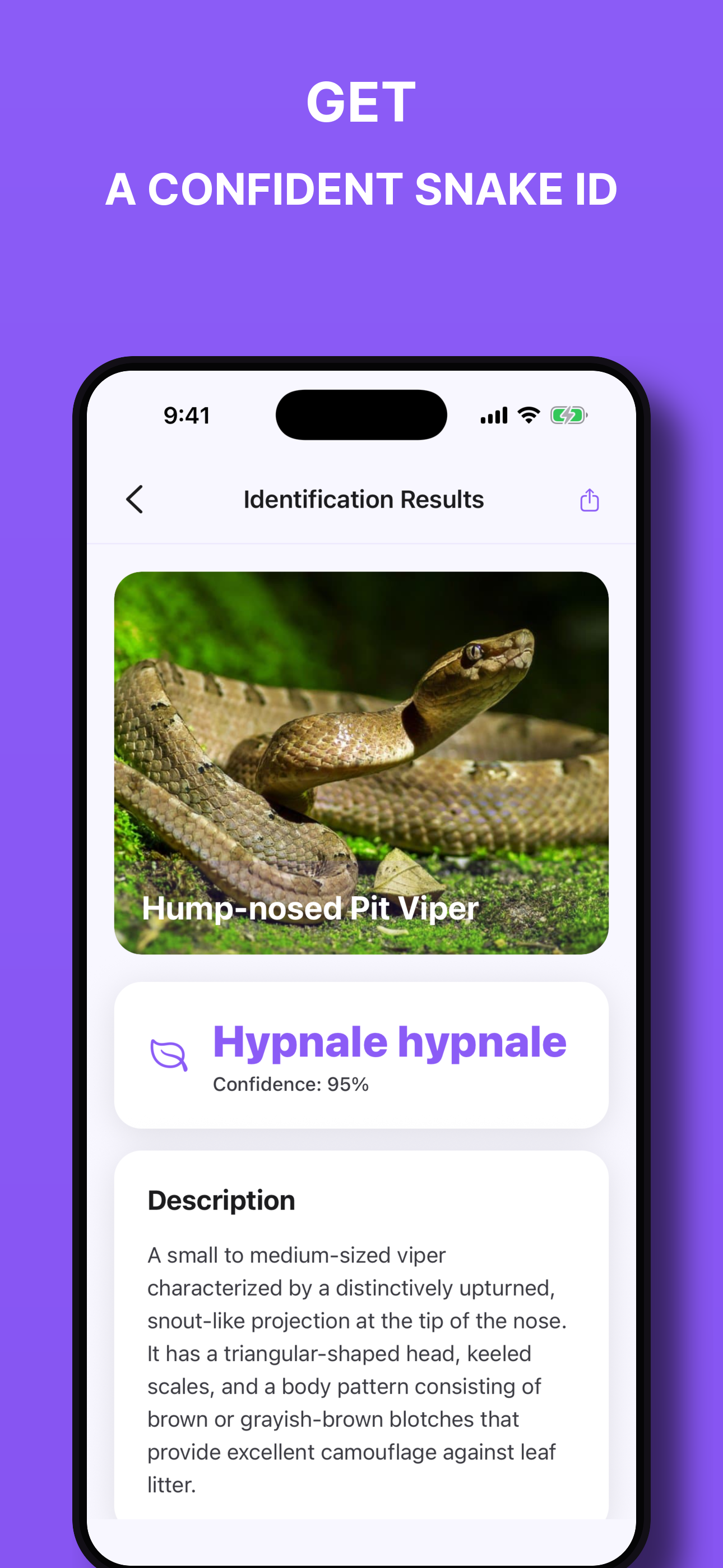
This is where modern technology can serve as a valuable secondary resource. For instance, using a tool like Snakefy can help you identify species from a safe photo, providing peace of mind by distinguishing a harmless water snake from a venomous cottonmouth. However, identification should always be done from at least six feet away, and if you are unsure, the safest protocol is always to treat the animal as venomous and give it a wide berth.
Snakefy helps users identify a snake from a photo, but the result should still be checked against the user's own context and any professional boundary that applies.
Practical Steps for a Safe Encounter
If you spot a snake on the trail, the most important action is to stop immediately and maintain a distance of at least twice the snake's body length. don't attempt to move the snake with a stick or throw rocks to clear the path, as this can provoke a defensive strike. Most snakes will move along if given a few minutes of quiet.
If the snake is coiled and rattling or hissing, it is telling you that it feels threatened; back away slowly and wait for it to leave or find a wide path around it. In camping scenarios, keep your tent zipped at all times and shake out your boots and sleeping bag before use. By respecting their space and remaining calm, you turn a potentially dangerous situation into a brief observation of local wildlife.
The best repeat users build a small history. Saved sessions, notes, screenshots, or previous results make future decisions faster because the app has a clearer personal reference point.
Modern First Aid and Emergency Response
In the rare event of a snakebite, knowing what not to do is just as important as knowing the correct steps. The old advice of using suction, cutting the wound, or applying a tourniquet has been proven dangerous and can worsen tissue damage. Instead, the priority is to keep the victim calm and the affected limb at or slightly below heart level to slow the spread of venom.
Remove any restrictive jewelry or clothing near the site, as swelling will likely occur. If you are in a remote area, seek professional medical help immediately, even if the bite seems minor. While it is helpful to note the snake's appearance for medical professionals, never attempt to capture or kill the snake for identification purposes.
Digital tools can assist in logging the sighting for later reference, but your primary focus must always be on safe evacuation and professional treatment. Download Snakefy on the App Store or Google Play to help identify wildlife on your next adventure.
In practice, that means slowing down long enough to give Snakefy the context a human would ask for: what you are trying to decide, what details are visible, and what kind of next step would be useful.
Product moments: Snakefy
Snakefy supports this workflow: identify a snake from a photo. It is designed around safe-distance photos, head/body pattern, location, and habitat context, and its output should be reviewed against pattern, body shape, head shape, region, habitat, and behavior.
Continue in Snakefy when you have safe-distance photos, head/body pattern, location, and habitat context ready and want to save the result.
Before you download.
What is the practical takeaway from Essential Snake Safety Strategies for Hikers and Campers During Peak Trail Season?
For Essential Snake Safety Strategies for Hikers and Campers During Peak Trail Season, prepare safe-distance photos, head/body pattern, location, and habitat context. Keep a clear decision boundary before acting on the result.
Which inputs make this article more useful?
Prepare safe-distance photos, head/body pattern, location, and habitat context. Specific context makes the result easier to inspect and compare.
When does this workflow need outside confirmation?
Never handle a snake based on an app result; contact local experts for danger concerns. Seek the appropriate qualified source when the decision affects health, safety, money, or legal rights.
Practical checklist
Trust note
Identification apps are educational tools and should never replace professional medical advice or common sense; always assume a snake is dangerous if you are uncertain.